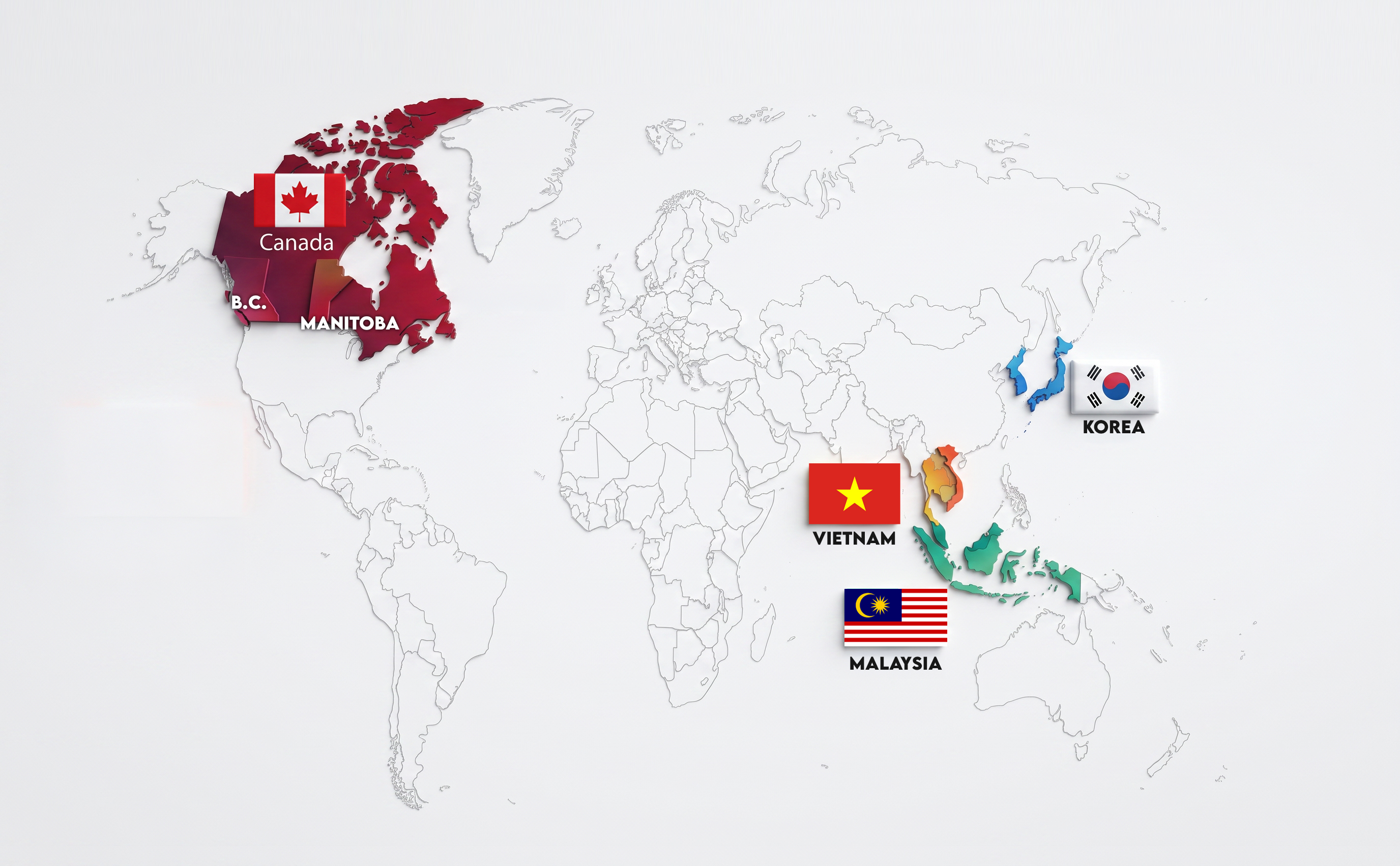
This issue of The Cell Signal is less of a standard report and more of a set of postcards from these places: a look at what we are learning as CZRO Bio moves from early commercialization toward broader deployment.
There is a reason we chose the name The Cell Signal.
At the center of everything CZRO Bio is building is Chlorella vulgaris, a single-celled freshwater microalga. Give it light, carbon dioxide, water, nutrients, and the right growing conditions, and it reproduces rapidly through photosynthesis. What CZRO Bio has spent the past decade developing is the controlled environment around that cell, allowing Chlorella to grow consistently and at commercial scale.
But the cell itself is only part of the story.
During cultivation, Chlorella produces and releases biological compounds into the surrounding algae broth. These compounds can act as signals within biological systems, influencing processes involving plants, roots, microbes, and nutrient use. The algae biomass can also be used in areas such as animal feed, food, and potentially energy.
That is where the name The Cell Signal comes from. A single cell creates biological signals that can have effects far beyond itself. In the same way, this newsletter is our signal to you, sharing what we are learning as CZRO Bio grows across research, products, partnerships, and new markets.
And the more we work with Chlorella, the more we continue to learn.
For that potential to create lasting impact, it also has to make commercial sense. Our goal is not simply to grow microalgae, but to turn what it produces into useful, commercially viable products that can scale.
That idea has taken years of engineering, research, and testing to make it viable. This year, it is becoming more tangible. CZRO Bio now has work underway across Korea, British Columbia, Vietnam, Malaysia, and Manitoba, each contributing a different part of the same larger platform.
As we continue learning what this remarkable single cell can do, we will continue passing the signal along.
British Columbia: the Home Base
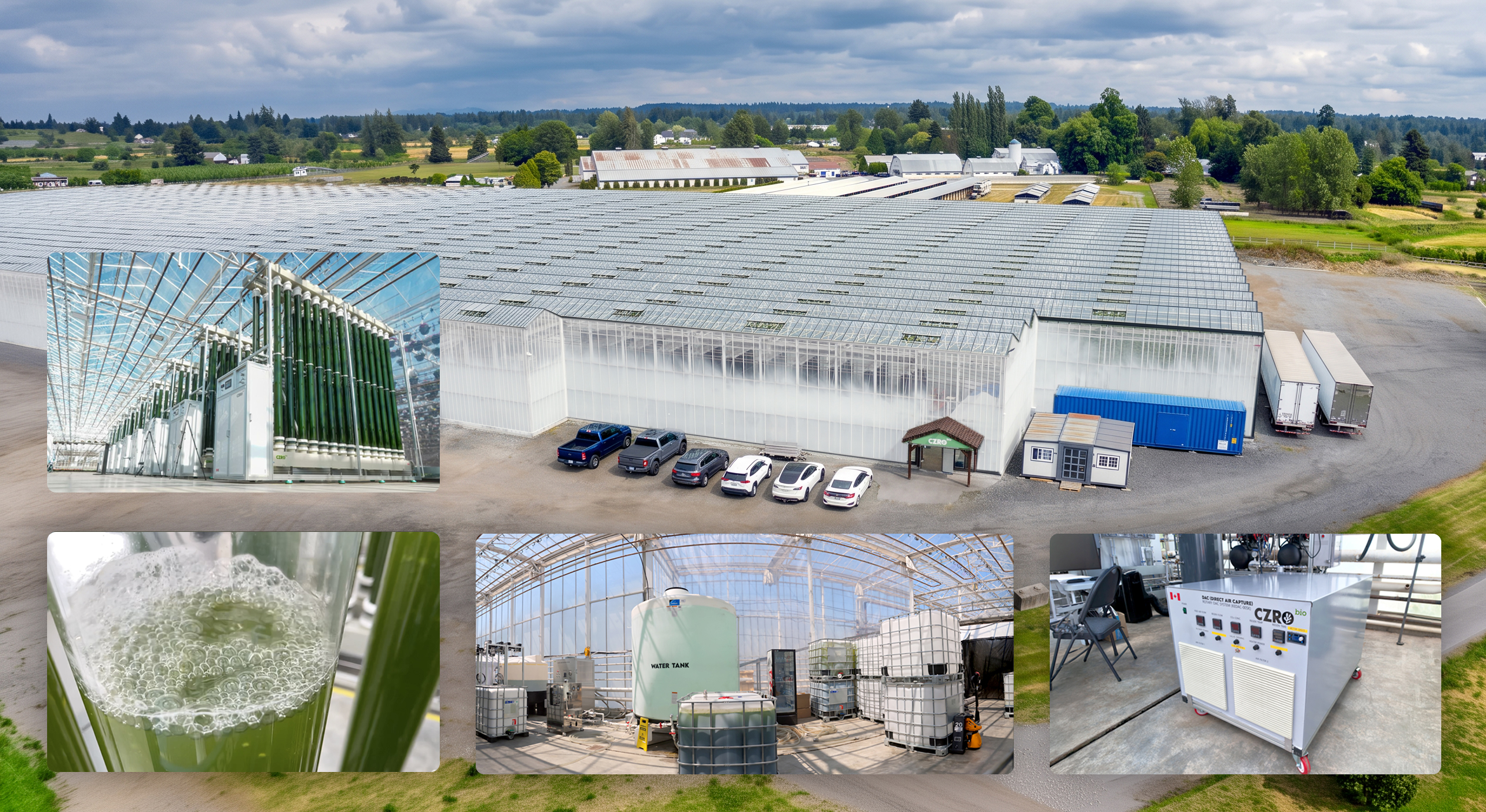
British Columbia remains the home base for CZRO Bio’s production, product development, and grower engagement. Plans are now underway for a major expansion of the Langley facility, with a $2 million project designed to increase local production capacity, support product development, host research and industry partners, and build confidence as the company prepares to scale. CZRO Bio has applied for approximately $1 million in non-dilutive funding support through PacifiCan’s Business Scale-up and Productivity Program.
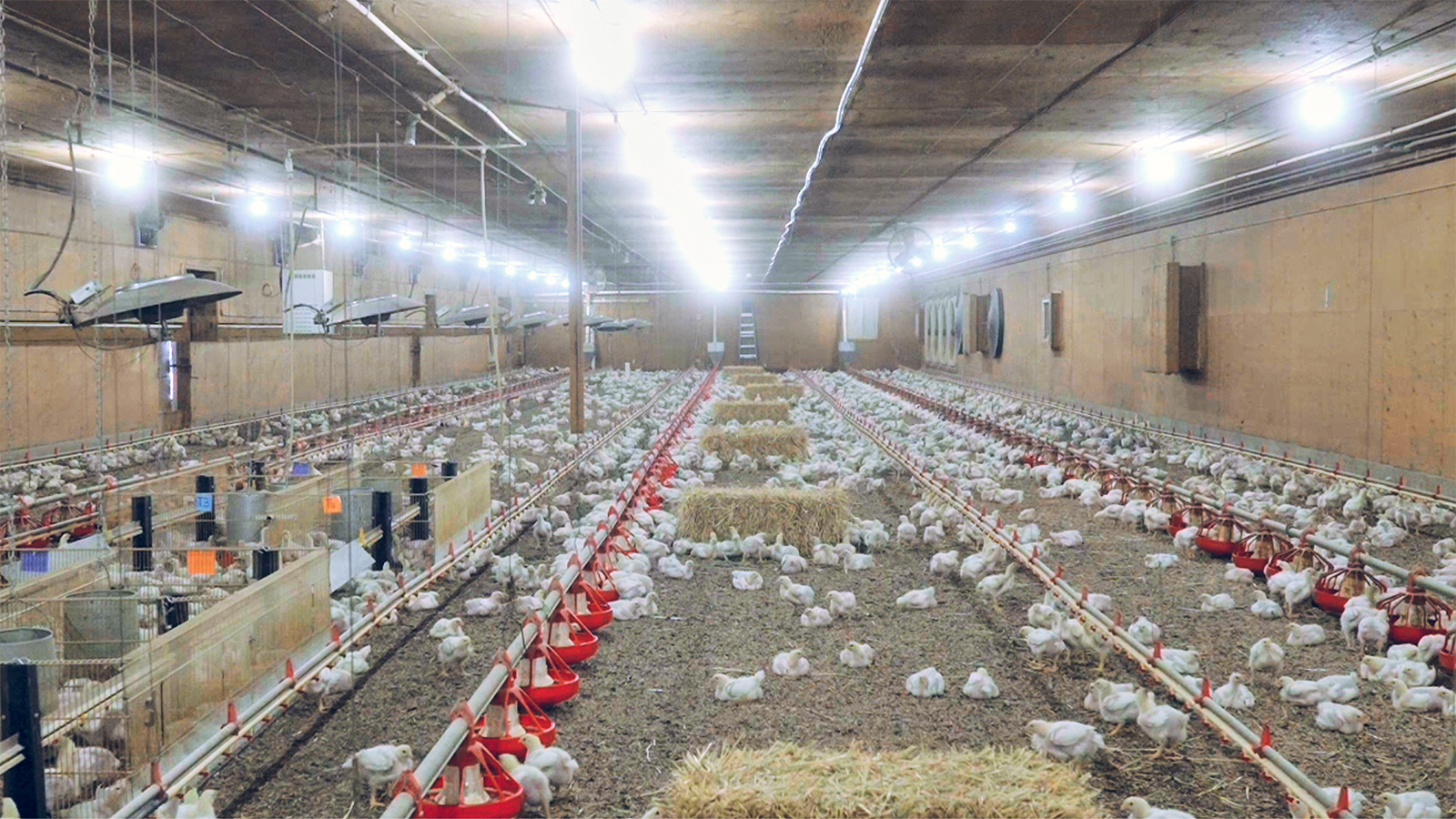
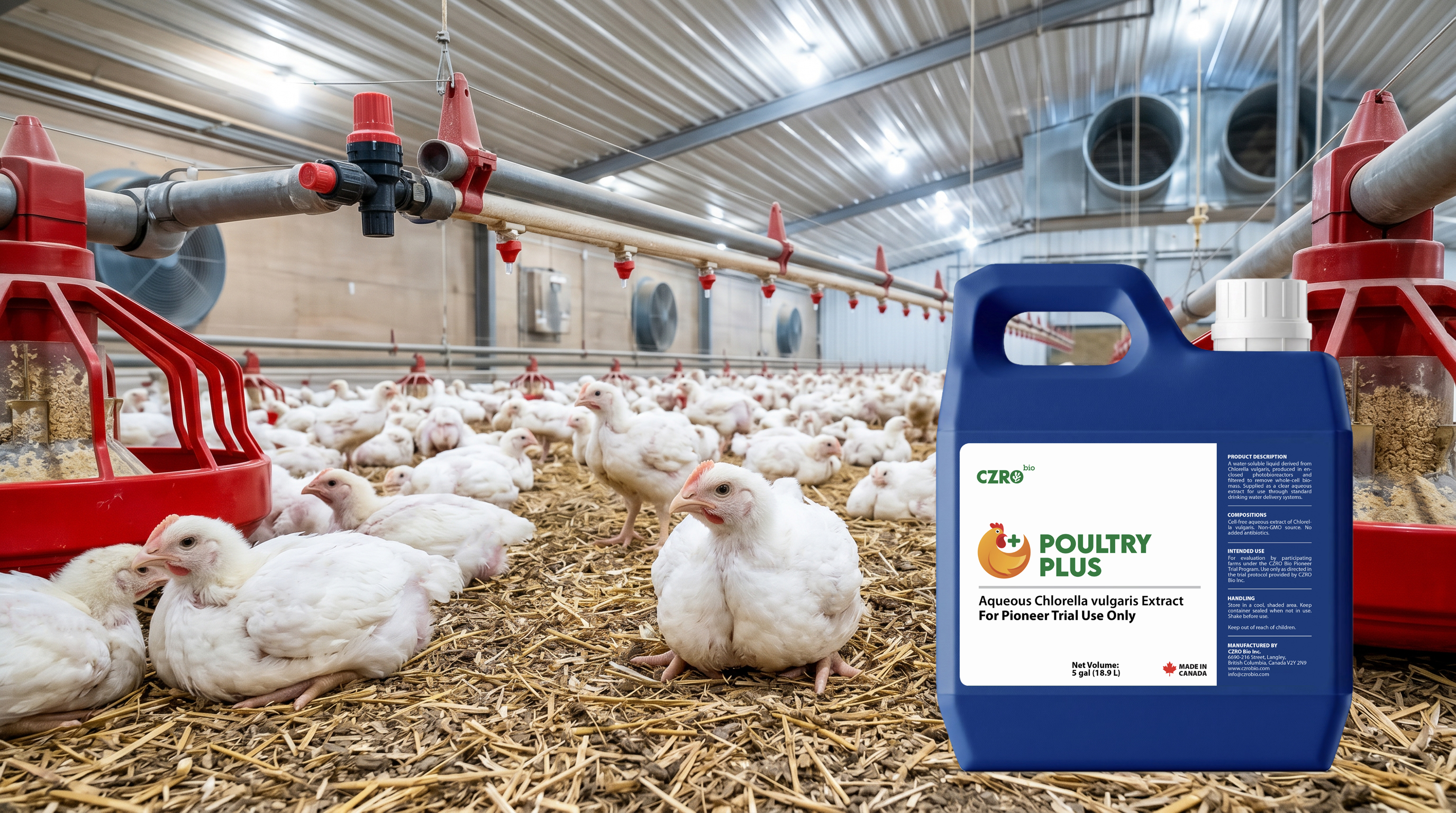
PoultryPlus is one of the strongest examples of the work being advanced in BC. The dry powder product recently received a Veterinary Health Product Notification Number from Health Canada. The cell-free extract version is also progressing through the Short Substance Application process.
In the midst of the growing season, BioEnhancer trials are in full swing. New BCCAI-supported trials are now in place with strawberries and potatoes with Kwantlen Polytechnic University, while commercial applications continue with growers. Each trial helps build the practical knowledge needed to support growers across different crops and production systems.
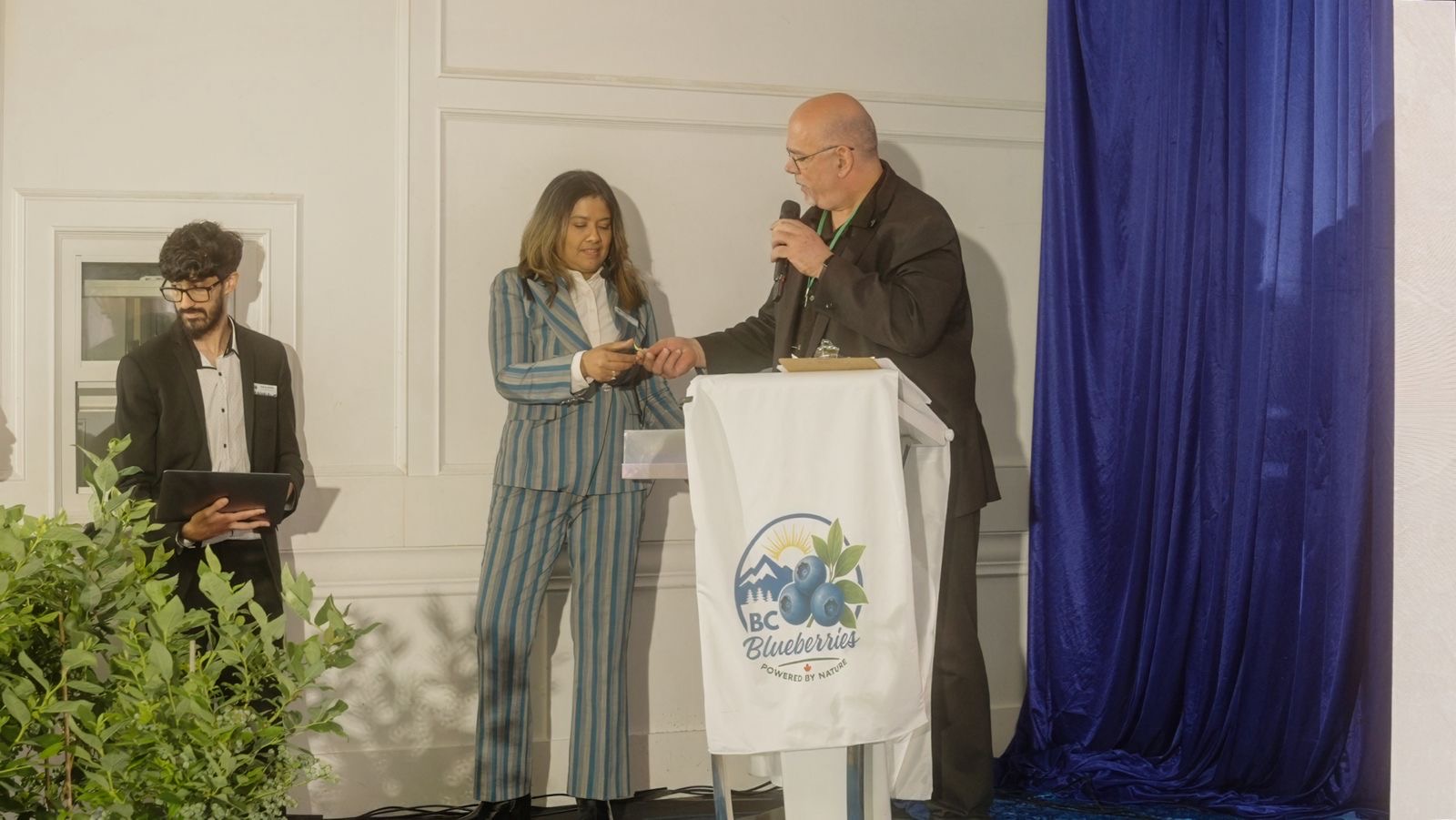
This spring also brought new opportunities to connect directly with growers. The team attended the BC Blueberry Council Annual General Meeting, sharing BioEnhancer with producers and learning more about the challenges facing the industry. Those conversations continue to shape both our research priorities and future product development.
Carbon Dioxide Removal (CDR) is another key component of CZRO Bio's long-term vision to transform captured carbon into valuable products while generating verifiable, high-quality carbon removal credits. Central to this effort is the development of our Digital MRV (Measurement, Reporting, and Verification) platform, which is designed to accurately quantify, monitor, and verify carbon utilization and removal throughout our production process.
Over the past few months, our primary focus has been developing a biochar-based carbon removal methodology by converting microalgal biomass into stable biochar for long-term carbon storage. This methodology is being developed to align with the leading third-party carbon registries, such as Puro.earth, and is supported by our proprietary Digital MRV platform, which provides the measurement, reporting, and verification framework needed for transparent carbon accounting. Together, these efforts are laying the technical foundation for future third-party verification and carbon credit issuance.
Together, the Langley expansion and research work show what building from a strong home base can look like: local production, real-world validation, and closer collaboration with BC producers and partners.
Korea: Where It Still Begins
This is a milestone year in Korea. Two of our flagship government-backed R&D programs are heading into their final stretch, both wrapping at the end of November, and the results give us plenty to be proud of. At the same time, the team is already laying the groundwork for the next wave of work: the part where the technology starts to turn into products, revenue, and tradable carbon credits.
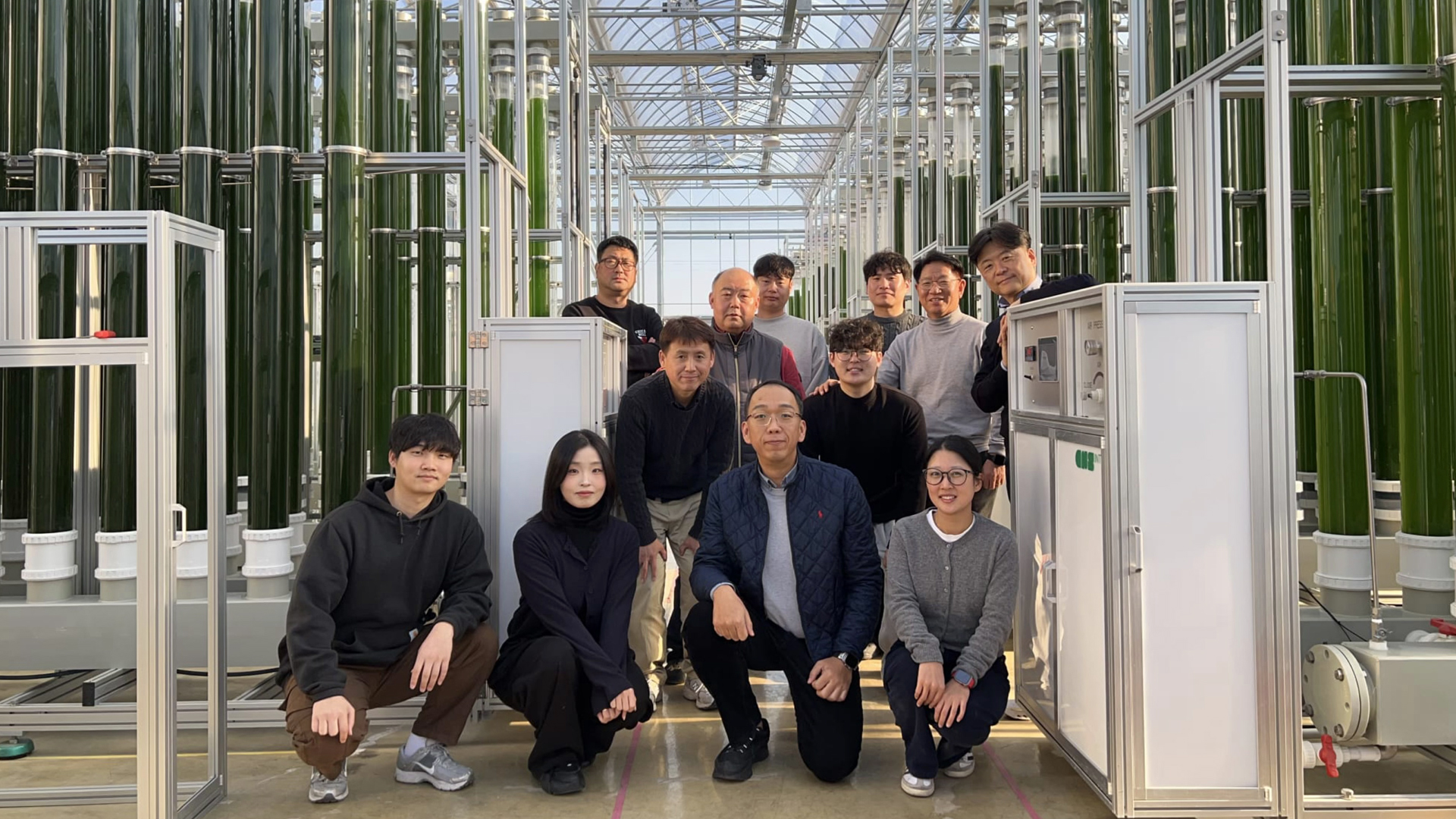
The first program, funded by Korea's Ministry of Trade, Industry and Energy, set out to produce bio-oil for Sustainable Aviation Fuel (SAF). In its fourth and final year, the team built a continuous production process around a 30-tonne Microalgae farm and proved it can run at scale.
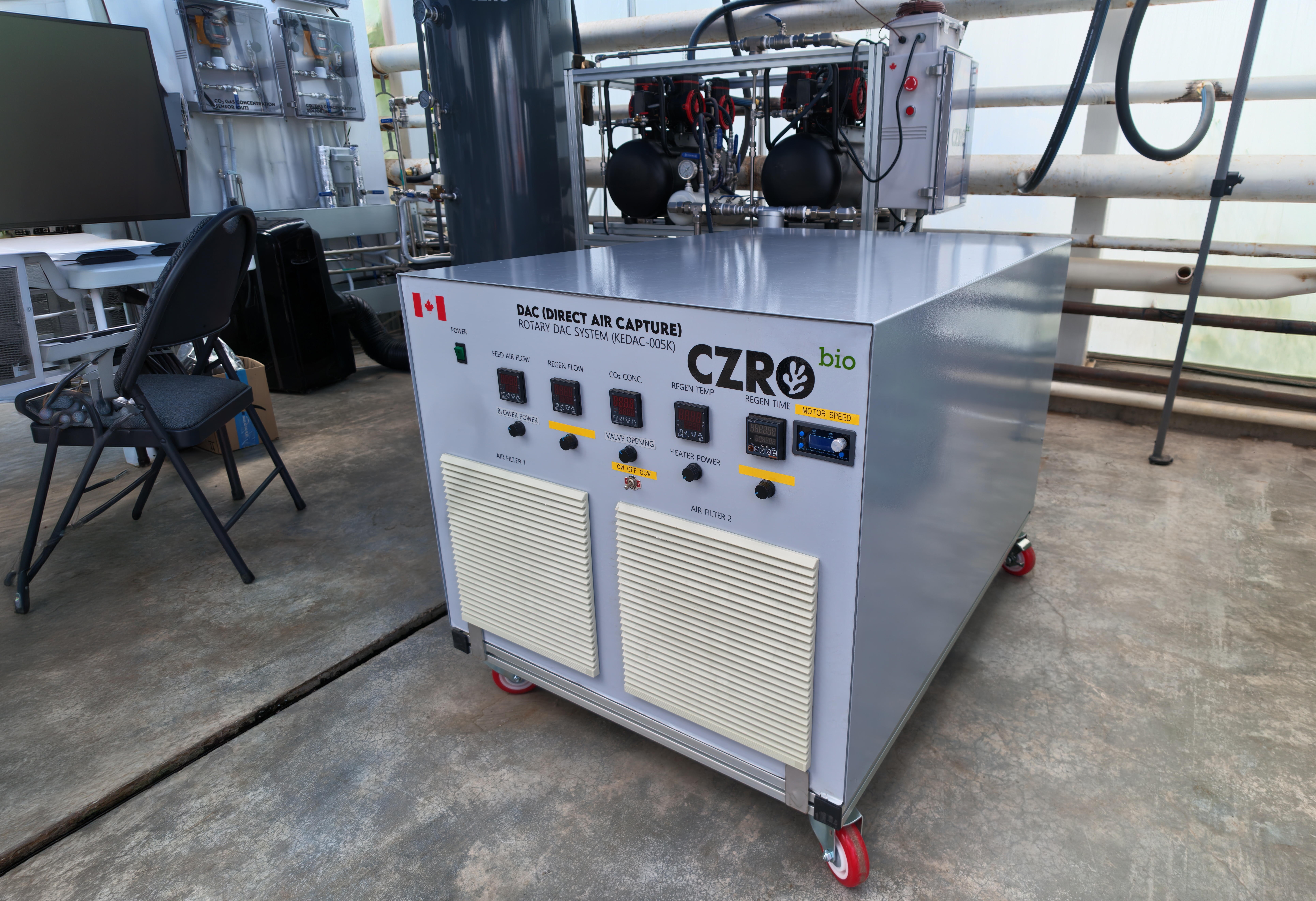
The second project, backed by the Korea Environmental Industry and Technology Institute, tackled the harder end of the problem: pulling CO₂ straight out of the open air. The team has designed and built an energy-efficient Direct Air Capture (DAC) system that grabs up to 1.40 mol/kg of CO₂, paired with a smart continuous photobioreactor. The bigger implication is freedom. If CO₂ can be captured directly from the atmosphere and put to work growing microalgae, the platform is no longer limited to places with a concentrated industrial CO₂ source. It opens the possibility of taking the system wherever it is needed. An elegant solution to one of the hardest parts of the problem has, quite literally, been pulled out of thin air.
With the science proven, the focus is shifting to scaling and commercialization. We're upgrading our MRV (measurement, reporting, verification) system into a cloud-based platform that will monitor and control our distributed cultivation sites remotely. This matters because verified carbon reductions become carbon credits, and credits can be sold into both compliance and voluntary markets. The ambition here is bold: to set the world's first standard for measuring biological carbon removal.
On the product side, three new efforts are underway. One turns our cultivation know-how into a compact, all-in-one algae cultivator, which will be sold with a subscription-style growth medium, aimed at biotech companies. Another finds a home for BioEnhancer, the nutrient-rich culture filtrate we currently discard, by developing it into a sustainable nutrient alternative for the fast-growing smart farm market. The third puts our Chlorella biomass to work as feedstock for SAF, in partnership with the Korea Research Institute of Bioscience and Biotechnology.
In February, we were officially recognized as a Green Bio company under Korea's new industry law, which earns us preferred status when competing for government R&D projects and funding. We've applied for the national "Excellent Environmental Company" designation, with results pending. And in June, we filed a new patent for a carbonic anhydrase-immobilizing structure that keeps the enzyme stable and active through repeated cultivation cycles.
Malaysia: The MetaEgg is Live
In Malaysia, the MetaEgg project has advanced from an idea into a consumer product, but the bigger story is why it was created in the first place.
MetaEgg was designed around two goals: better nutrition and lower-carbon food production. The idea is to use one of the world’s most familiar foods, the egg, as a practical way to bring microalgae-derived nutrients into everyday diets while also exploring how microalgae can reduce the environmental footprint of poultry production.
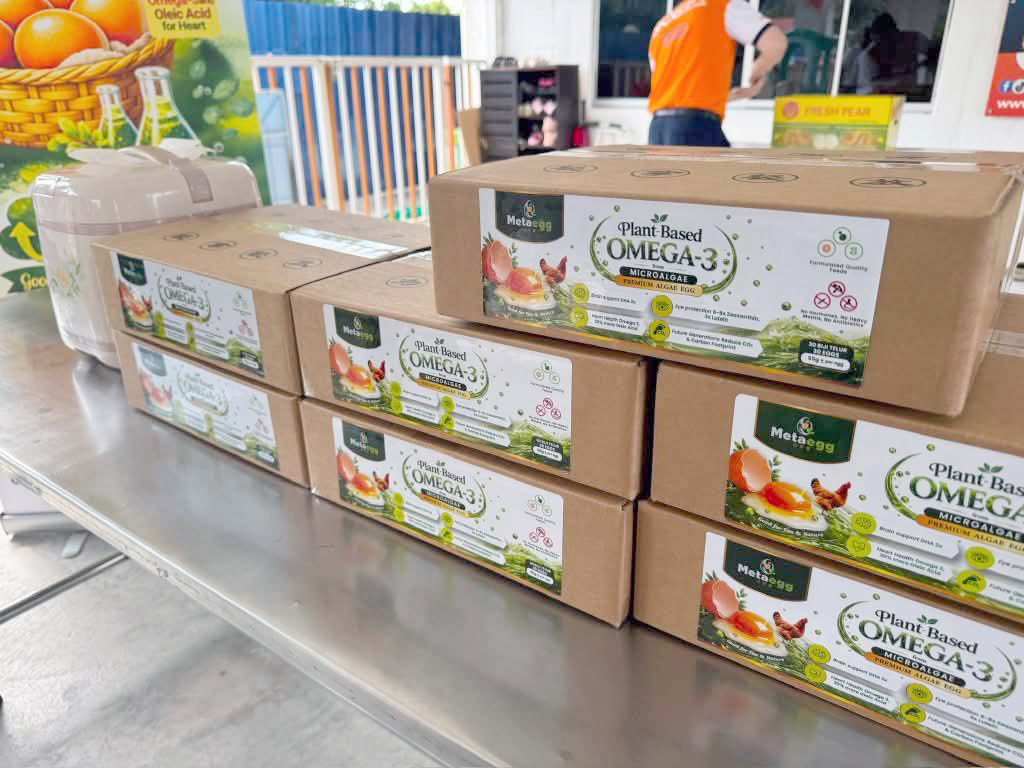
The farming model combines microalgae-enriched layer feed with ONT BioEnhancer delivered through the hens’ drinking water. The goal is to transfer valuable microalgae-derived nutrients into the eggs while integrating microalgae cultivation and carbon utilization into the production system. At scale, the team sees this as a way for an everyday food choice to contribute to wider goals around carbon reduction, sustainable agriculture, and Malaysia’s transition toward lower-carbon food production.
Research is an important part of that model. Monash University Malaysia is working with the team to better understand nutrient transfer, while Universiti Putra Malaysia is supporting the development and validation of carbon-reduction methodologies across production. Together, the work is intended to help measure both sides of the MetaEgg concept: what the egg can deliver nutritionally and how the production model could reduce its environmental impact.
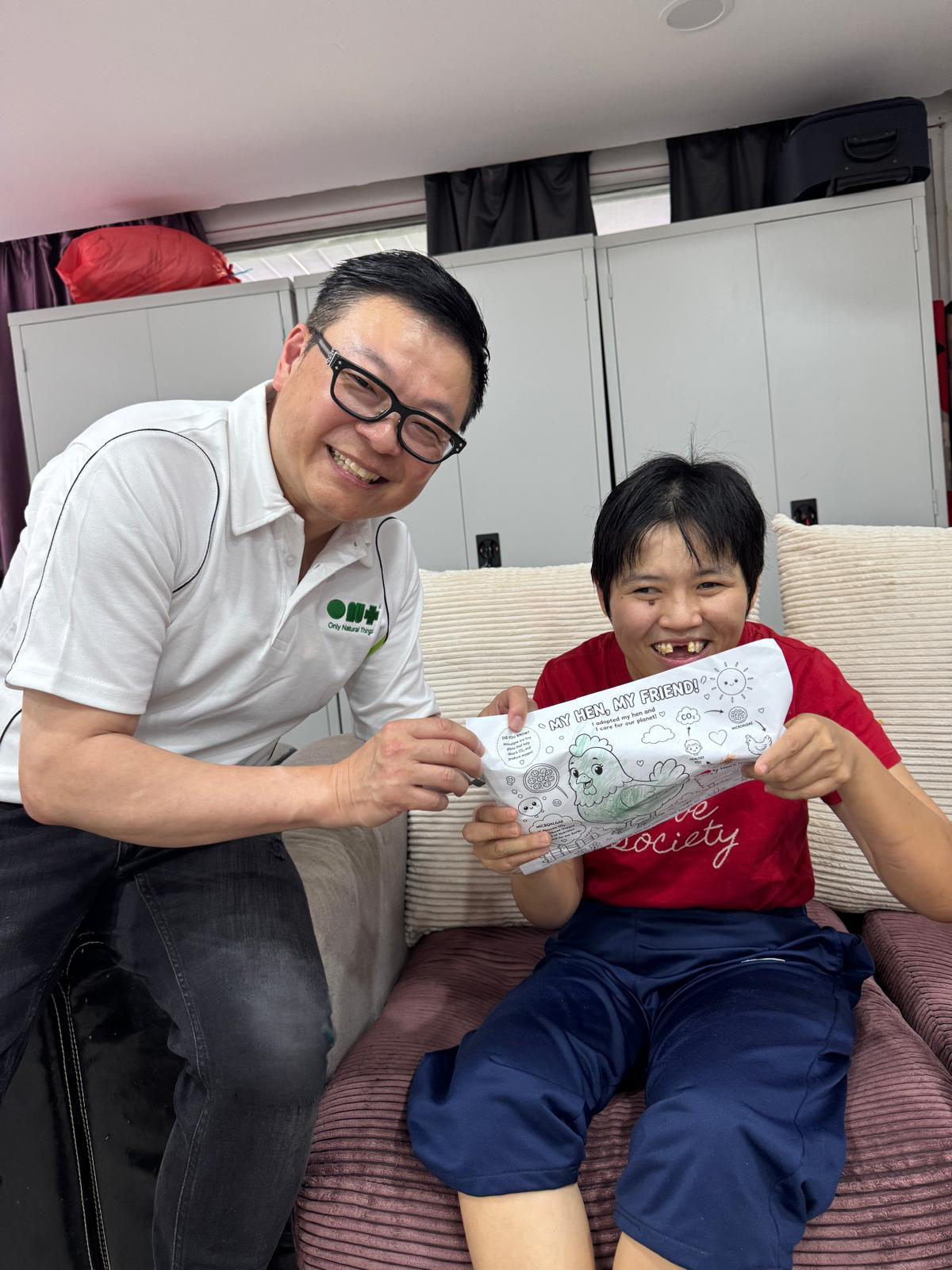
That idea is now reaching consumers directly. Through MetaEgg’s “adopt a hen” subscription program, customers receive 30 eggs each month and can follow the connection between the farm, the hens, and the food arriving at their door.
The MetaEgg app helps make the model easy to understand: microalgae are incorporated into the hens’ nutrition program, the hens produce the eggs, and those eggs move directly to customers through the subscription network.
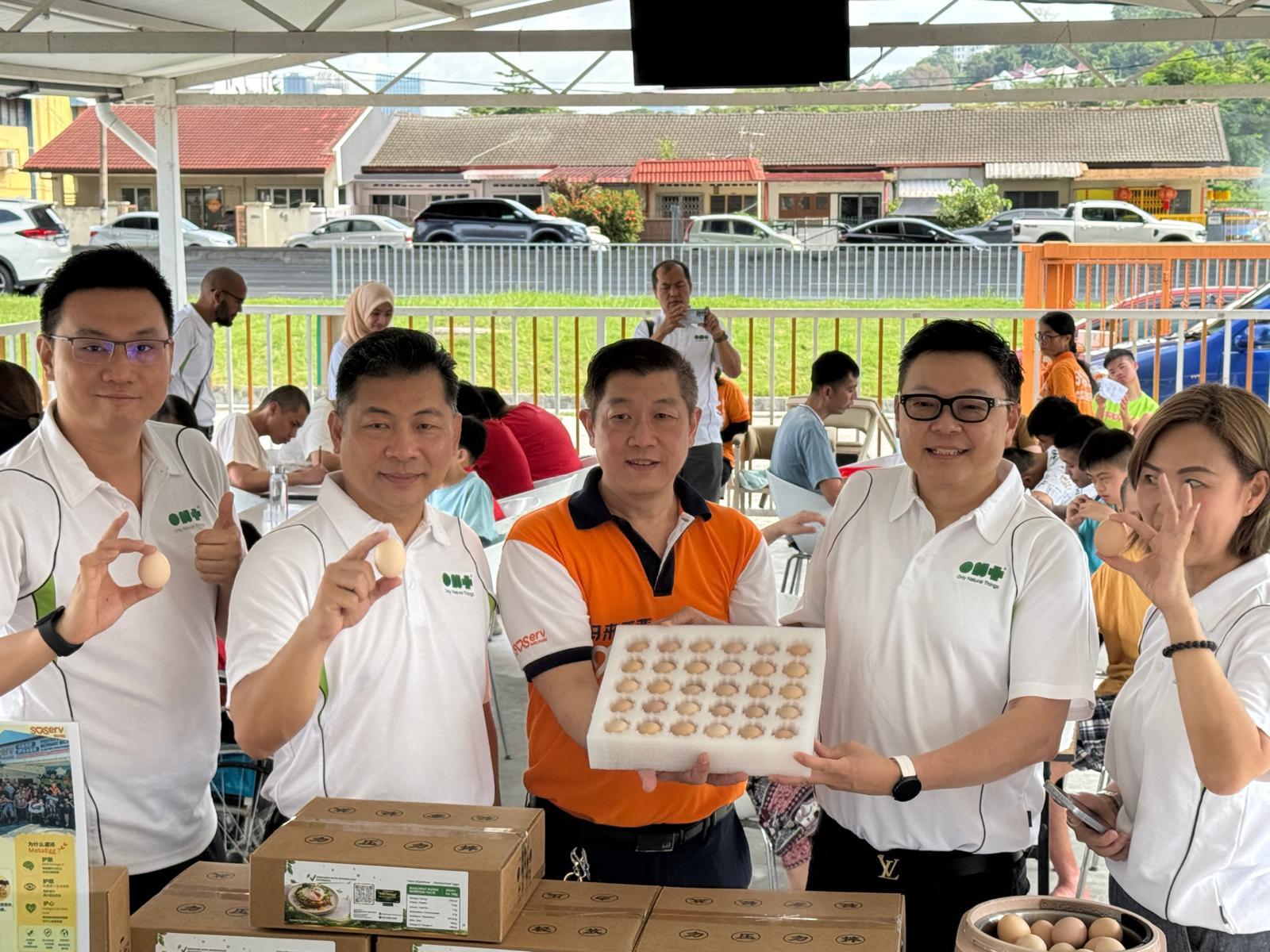
The science is continuing alongside the commercial launch. Monash University Malaysia completed an independent comparative analysis of MetaEggs against standard commercial and free-range kampung eggs, looking at fatty acids, carotenoids, vitamin E compounds, and amino acids. The results give the team useful data to keep learning from, including differences in omega-3s and DHA. The report is intended for research and internal evaluation rather than product certification.
MetaEgg gives us an early example of what the wider CZRO ecosystem can look like when the microalgae platform moves from cultivation, into agriculture, and ultimately into an everyday consumer product, with both human nutrition and environmental impact built into the purpose from the beginning.
Vietnam: Betting on a Country that’s betting on itself
In May, we signed a strategic agreement with Mr. Wai Choi Shing and a newly formed Vietnam-based entity to bring the Micro Algae Farm platform into the country, starting with a pilot facility. The partnership includes a strategic investment in CZRO Bio, and our Vietnam partner will hold exclusive rights to deploy the technology there as the pilot demonstrates its viability. We're still identifying the exact site, with the Korean team helping on the search, so this is a story that's just getting started rather than one that's finished.
Vietnam is one of the world's biggest rice, seafood, and coffee exporters, and it's running into the same walls that much of agriculture is running into everywhere: tired soil, rising fertilizer costs, and water stress, especially down in the Mekong Delta. CEO Tim Gamble put it simply: "Vietnam is now experiencing many of the same agricultural pressures seen globally. Our platform is designed to restore biological productivity through natural systems instead of chemical dependency."
There's a nice piece of timing here, too. Vietnam's national farmers' union just kicked off a new five-year direction built explicitly around going green and going digital.
Agriculture is changing, and farmers everywhere are looking for practical ways to produce more with fewer resources. We hope Vietnam becomes another example of what can happen when local partnerships, shared knowledge, and new technology come together to solve real challenges.
Manitoba: Preparing for What’s Next
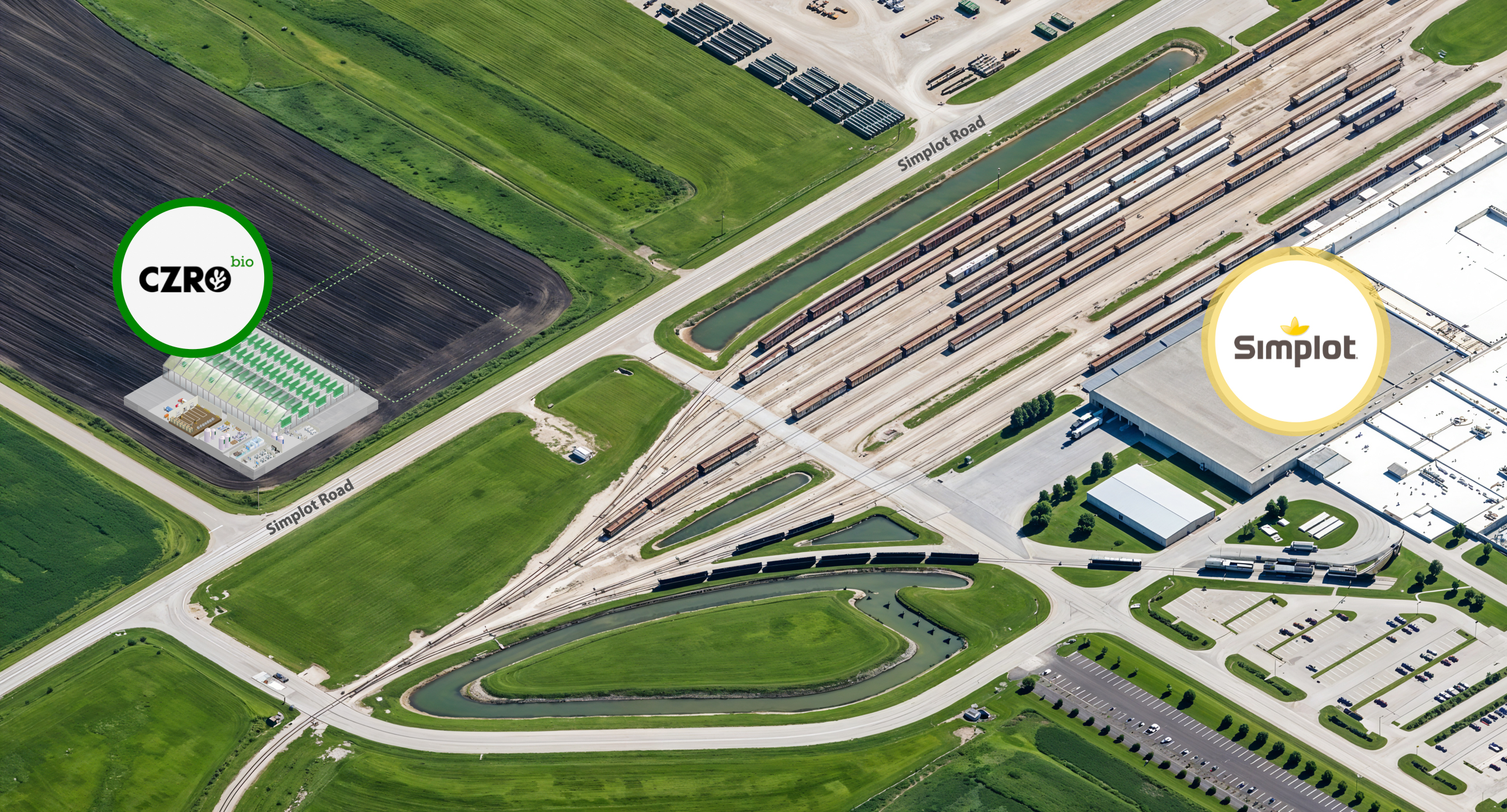
Over the past few months, the project has continued to gain momentum through ongoing commercialization planning, funding applications, and the development of new research and industry partnerships. We've been working closely with collaborators to refine the facility design, evaluate its environmental and economic impacts, and lay the groundwork for future pilot projects and commercialization efforts. Recent work has also included advancing discussions with organizations such as the University of Manitoba, Simplot, and several government funding programs to help move the project toward implementation.
What the Postcards Will Say Next
In Korea, a decade of engineering is moving toward commercialization. In Vietnam, that knowledge is preparing to enter a new market. In Malaysia, microalgae are reaching consumers in an entirely different form. In British Columbia, products are being tested in farms and fields. And in Manitoba, the team is working through what the next level of scale could look like. None of these stories are finished. Some are still research projects. Some are early partnerships. Some are commercial trials. Others are ideas being tested for the first time. But they are beginning to move in the same direction. Ten years ago, CZRO Bio's story started with the belief that something as small as a microalgal cell could help solve much larger problems. Today, that idea is being tested by farmers, studied by researchers, developed by engineers, shared across borders, and slowly finding its way into the real world. There is still a long way to go. But the signal is getting stronger.